

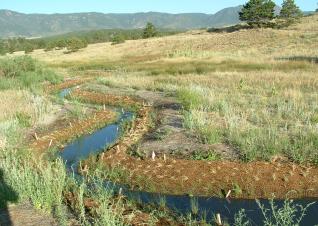
A floodplain is a low-lying area directly adjacent to a waterbody and partially or fully flooded during high-water events.
Nicholas Institute for Environmental Policy Solutions
Nature-Based Solutions Strategy Search
Other searches:
Find case studies →
Find tools and resources →
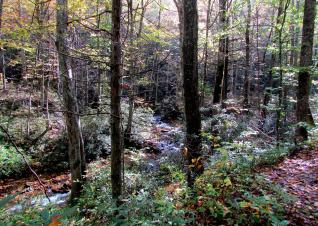
Forests provide food, fuel, oxygen, clean water, erosion control, and health benefits to people.

Green firebreaks are strips of fire-resistant vegetation planted strategically to slow or stop the spread of wildfires, especially near infrastructure.
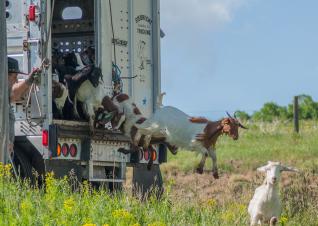
An invasive or nuisance pest is a species that causes harm to humans or the environment. This strategy focuses on invasive plant species.

Peatlands are a type of inland wetland where waterlogged soils prevent plant material from fully decomposing. There are two types of peatlands: tropical peatlands, characterized by high precipitation and temperature, and northern peatlands, which are interspersed among boreal forests and coastal areas.

Prescribed burns are fires that are intentionally set in a controlled manner in accordance with specified weather limitations, laws, policies, and regulations.
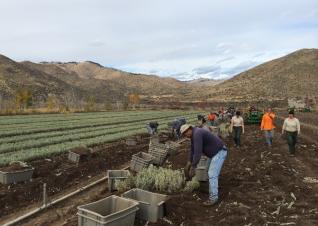
Sagebrush habitats exist across the western United States in areas with hot, dry summers and cool, moist winters. They are dominated by big sagebrush (Artemisia tridentata) vegetation and perennial grasses.
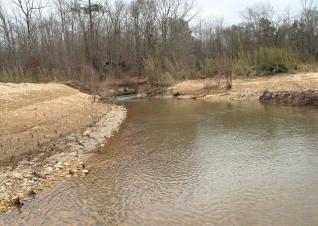
A stream, also known as a branch, creek, run, or brook, is a continuous surface flow of freshwater within a channel that is smaller than a river. Headwater streams can originate from groundwater (springs), runoff, or a wetland.
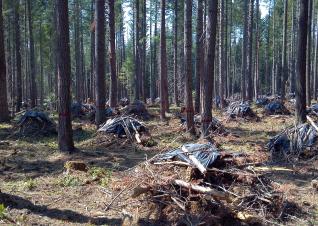
Forest thinning refers to removing trees in a forest stand to allow space for other trees and plants to grow.