

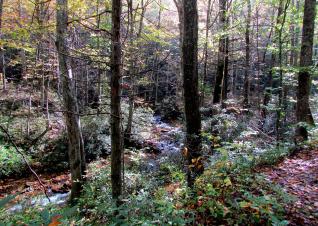
Forests provide food, fuel, oxygen, clean water, erosion control, and health benefits to people.
Nicholas Institute for Environmental Policy Solutions
Nature-Based Solutions Strategy Search
Other searches:
Find case studies →
Find tools and resources →
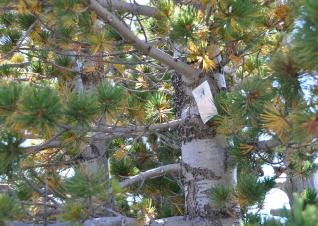
An invasive or nuisance pest is synonymous with a species that causes harm to humans or the environment. This summary focuses specifically on invasive and nuisance insects and pathogens.
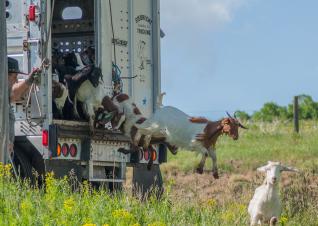
An invasive or nuisance pest is a species that causes harm to humans or the environment. This strategy focuses on invasive plant species.
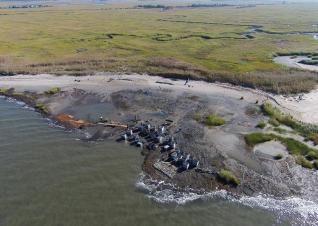
Living shoreline creation refers to the process of planting vegetation along the shoreline and installing structures that help hold the vegetation in place.

Prescribed burns are fires that are intentionally set in a controlled manner in accordance with specified weather limitations, laws, policies, and regulations.
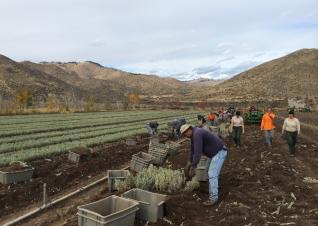
Sagebrush habitats exist across the western United States in areas with hot, dry summers and cool, moist winters. They are dominated by big sagebrush (Artemisia tridentata) vegetation and perennial grasses.
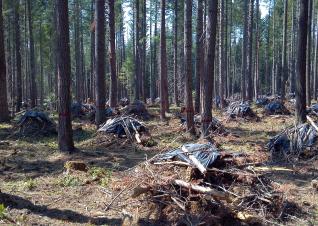
Forest thinning refers to removing trees in a forest stand to allow space for other trees and plants to grow.